
Daily Life and Supporting Success
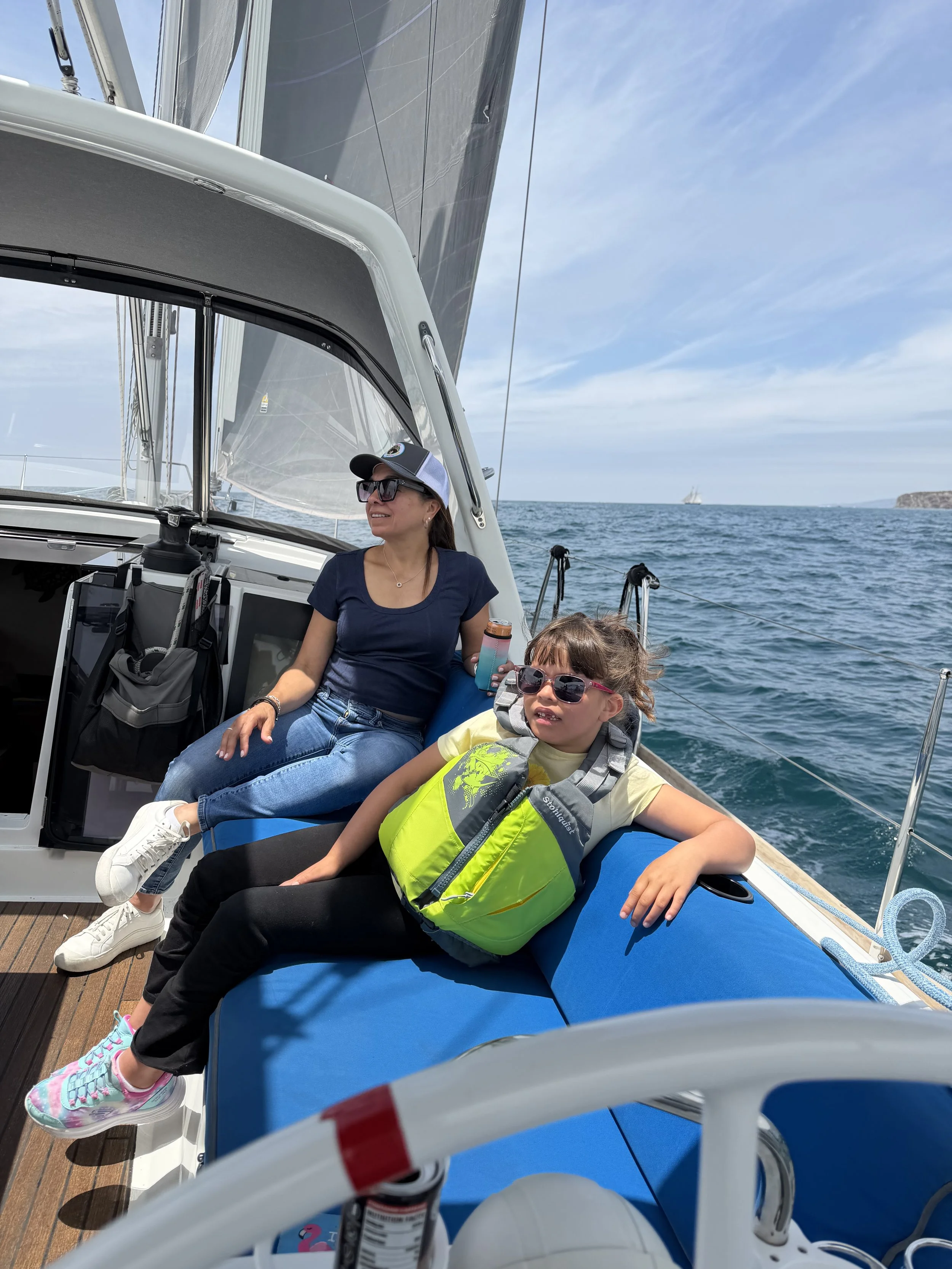
For children like Violet, navigating SKDEAS and Apraxia means embracing a dedicated team approach. With the right tools, alternative communication methods, and consistent care, she will continue to learn, connect, and thrive.
Key supports include:
Speech Therapy & AAC: Utilizing Augmentative and Alternative Communication—like high-tech speech-generating tablets and intentional gestures—to give the child a reliable, powerful voice.
Physical & Occupational Therapy: Building physical strength to overcome low muscle tone and improving daily motor coordination.
Special Education Plans & Behavioral Supports: Structuring learning environments to celebrate and support their unique processing styles.
Understanding our Diagnosis
What is Skraban-Deardorff Syndrome (SKDEAS)?
First identified in 2017 by Dr. Cara M. Skraban and Dr. Matthew A. Deardorff, Skraban-Deardorff Syndrome, also known as WDR26-Related Intellectual Disability, is a rare genetic disorder characterized by developmental delay, intellectual disability, seizures and subtle facial differences. Drs. Skraban and Deardorff tell us that another common attribute is that individuals with this diagnosis, young and old, are happy, affectionate, and have smiles that light up the world. Parents remark that they are immediately loved by everyone they meet.
Common Characteristics of SKDEAS:
Global developmental delays
Limited or absent speech (often resulting in Childhood Apraxia of Speech)
Low muscle tone (hypotonia) and coordination or balance difficulties
Seizures or "brain-sparks" in some individuals
Traits associated with autism or ADHD
Every individual with SKDEAS is unique, but they are frequently described as happy, affectionate, and full of joy.
What is Childhood Apraxia of Speech (CAS)?
Childhood apraxia of speech (CAS) is a neurological motor speech disorder that makes it hard for children to speak. Children with the diagnosis of apraxia of speech generally have a good understanding of language and know what they want to say. However, they have difficulty learning or carrying out the complex movements that underlie speech. There are often co-occurring challenges that can last into adulthood in the areas of residual speech errors, language, reading/literacy, academics, and social skills. There is no cure, but with intensive and appropriate speech therapy, most children learn to produce intelligible speech and can overcome many of their challenges.
Many children with CAS have fine motor skill delays and/or sensory processing difficulties. Some children may experience leaming challenges for school-related areas such as reading, spelling, or writing. Children who experience these issues will need assistance from other professionals in fields such as occupational therapy, developmental behavioral pediatrics, and special education.
✳︎
Occupational Therapy
✳︎
Speech Therary
✳︎
Adaptive Dance
✳︎
Therapeutic Horseback Riding
✳︎ Occupational Therapy ✳︎ Speech Therary ✳︎ Adaptive Dance ✳︎ Therapeutic Horseback Riding
Organizations
The Skraban- Deardorff Foundation- SKDEAS.ORG
Global Genes Alliance - GLOBALGENES.ORG
National Organization of Rare Disease (NORD)- RAREDISEASES.ORG
Apraxia Kids - APRAXIA-KIDS.ORG
Podcasts
Smiles included
As a mom of a son with Skraban-Deardorff Syndrome, a WDR26-related intellectual disability, I started listening to podcasts as a form of therapy and to get advice for how to navigate through the emotions and questions that come with having a child with a rare disease diagnosis. I started this podcast for those impacted by Skraban-Deardorff, and other rare diseases, as a way to share stories, ask and answer questions, get advice and have a platform where we can work to understand together what the diagnosis means and how we can support each other. The podcast will feature guests and experts across the rare disease spectrum that highlight how to bring out the best in our rare kids and showcase that we are not alone, but part of a great community of people supporting our rare children.
RARECast is a Global Genes podcast hosted by award-winning journalist Daniel Levine. It focuses on the intersection of rare disease with business, science, and policy
Frequently families like mine don't know what's available to help us, we're too focused on getting through our day-to-day. But even if we had time, we would need to know what to look for. It's my mission to introduce a new organization or individual serving those with disabilities every week.
All views and opinions represented are my own. I am not writing on behalf of Capital Motion or Visible National Trust. Neither Capital Motion nor Visible National Trust endorse or in any other way support this content and podcast. This podcast is wholly owned and operated by me, Eric Jorgensen.